
Asher
/By Don Varyu
Oct, 2026
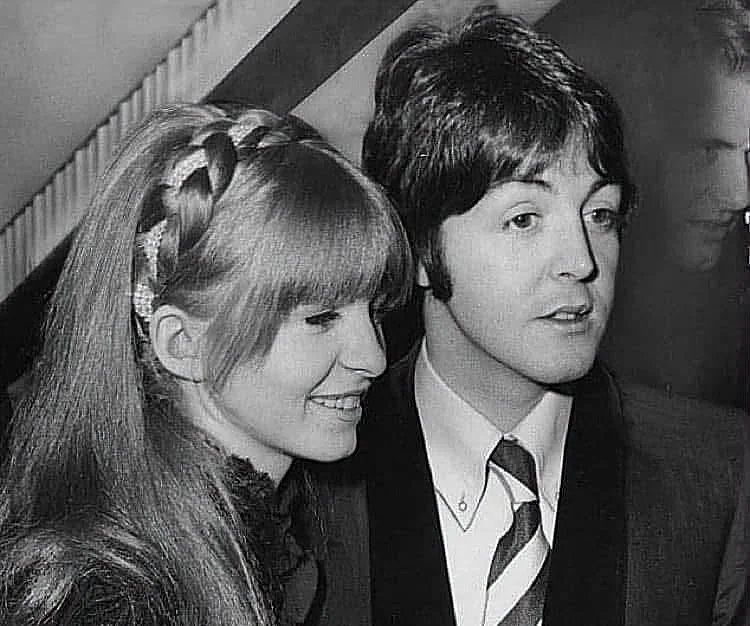

Paul McCartney was just a nothing teen from Liverpool. Then he joined a new rock group called the Beatles, and suddenly he was everything.
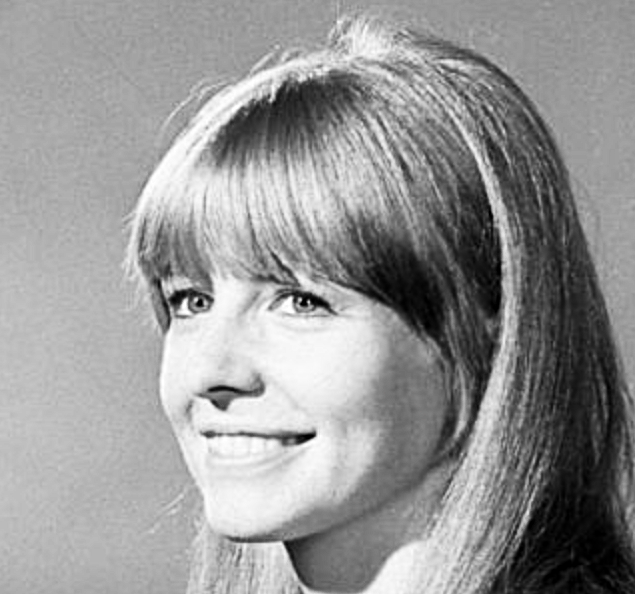
At age 20, McCartney performed in London’s iconic Royal Albert Hall. After the show, the group met a pretty young redheaded named Jane Asher. McCartney said, “we all fancied her”--but he was the one who wound up dating her. She was only 17.
But Asher was a world away from the “teenybopper” girls who shrieked in the audience…and mobbed the group when they exited the stage door. She was already an accomplished actress, beginning from age 6. She had her own career.
Asher was also part of a well-regarded London family. Her father was a noted author of medical texts…her mother a professor…and her older brother the first half of a singing duo known as Peter and Gordon.
The family offered McCartney a place to live in a small, one-window garret at the very top of their fashionable townhouse. McCartney didn’t hesitate. Not only would that put him under the same roof as Jane, but it also offered him something that was missing. At age 14, he had lost his own mother to complications following breast cancer surgery. He said this new home was the first time since that loss that he really felt part of a family.
He managed to maneuver a “sawed off” piano up into the garret, and his songwriting became prolific. He wrote his iconic Yesterday alone in that little space.
Three years later, McCartney and Asher had moved into their own townhouse. Then, on Christmas day 1967, they were engaged.
But not for long. That summer, during a televised interview, Asher announced it was over.

easons? There was a report of infidelity on his part. Then there was the heavy LSD use—also his. But most critical was Asher’s refusal to just give up her career in order to follow his. Their conflicting commitments and travel schedules made it seem they were apart more than together. And all this developed during the dawn of the modern feminist movement; the foundational National Organization of Women (NOW) launched the same year they met.
Jane seemed intent on living a “modern” life. It seems McCartney assumed she would (should?) bow to the prevailing social construct that a woman would necessarily follow where her man led.
In any case, cracks began, which resulted in the rupture.

bring all this up to focus on a series of songs that McCartney wrote which were directly inspired by their relationship. To the public, they were all unrelated, independent hit singles. But heard in chronological order, they chart the path of a “perfect” romance between two beautiful people as it descended into anguish and pleading…followed by bitterness and, finally, longing.
What follows is a list of eight songs, all written by Paul in that era, in the order they were released. Within each, I’m including a telling excerpt:
1.And I Love Her
I give her all my love, that’s all I do.
And if you saw my love, you’d love her, too.
I love her.
This is the hearfelt swoon of early love. Yet, even here, the following stanza alludes to the problem to come…
A love like ours could never die,
As long as I have you near me…
2. Things We Said Today
Love is here to stay and that's
enough to make you mine, girl…
Be the only one..
Love me all the time girl.
We'll go on and on…
By the next release, it’s clear that serious disagreements have begun. What was once the bliss of such a good thing has turned into attempts to correct something going sour.
3. We Can Work It Out
Try to see it my way, do I have to keep on talking ‘til I can’t go on,
While you see it your way, run the risk of knowing that our love may soon be gone…
The next two reveal an unappealing mixture of anger, reproach and despair…
4. You Won’t See Me
When I call you up your line's engaged.
I have had enough, so act your age.
We have lost the time that was so hard to find;
And I will lose my mind
If you won't see me
5. I’m Looking Through You
You don't look different, but you have changed.
I'm looking through you, you're not the same.
But this approach wasn’t working. Paul switches to a sweeter tone,, penning one of his most beautiful works…
6. Here, There and Everywhere
I want her everywhere
And if she's beside me, I know I need never care
But to love her is to need her everywhere
In the summer of 1966 Paul wrote the following song, whose words seem to foretell defeat. But this happened a year and a half before their engagement…
7. For No One
You want her
You need her,
And yet you don't believe her when she says her love is dead;
You think she needs you.
In the spring of 1967, Paul met and had drinks with American Linda Eastman, the woman he would eventually marry. But a year and a half later, well beyond the final split with Jane, he wrote a song titled, Martha, My Dear. “Martha”, in fact, was the name of his pet sheepdog; but the message clearly was a farewell to someone who once was his everything…
8. Martha, My Dear
Martha my dear,
You have always been my inspiration,
Please be good to me, Martha my love.
Don't forget me…

hese songs reveal something far different from the carefree days that filled the pages of teen magazines. The truth was there, in plain sight, woven into five years of Paul’s lyrics. He was documenting the dissolution of a young love, in real time.

Simply reading this account is not nearly as telling as listening to it.
