How We Act: Understate!
/By Don Varyu
Apr 2026

n previous articles in this issue (Ear and Eye, Real and Cruel) we’ve explored how the nature of the media we consume changes the culture…and how it determines who we choose to lead us.
And your media can also change you.
That’s because digital media are not just things you choose to employ. Even if you try to avoid them, you can’t. The tentacles of online posts and texts and social media will surround you…envelope you—and digest you. Eventually, you they make you someone different.
How does this happen? And how do you fight it?

here’s no need to go into deep detail on the problem. We all know the negative impacts of our digital environment—especially on young people. And “information” is changed, too. As the legacy news media continue to disperse audiences to digital alternatives, what is lost is actual news reporting. Facts blend into a noisy background where “takes”, opinion pieces, and conspiracy theories abound.
Meanwhile, our entertainment media trap us in an ever-darker swamp of deviancy, coarsness and cruelty. We are now beyond shock. We sit numbed by actions, words and sights that not long ago would have been banned on any publicly viewable screen.
So, to briefly summarize the situation:
The algorhythms of social media platforms are maximized to promote rage…because rage builds engagement—and engagement builds ad revenue.
The anonymity of online posters gives them license to freely say anything they want to anyone—no matter how outrageous, no matter how unsubstantiated or untrue.
The “transition” of information delivery from “traditional” to “emerging” platforms--such as podcasts, YouTube, and TikTok—often dilutes and defies the real world.
The depiction of physical violence and even murder in graphic forms now permeates movies and streaming services. Gruesome rules. We may be startled for a second—but then we shrug.
The nature of “reality” TV also celebrates violence, torture, pain, humiliation, noise, mayhem, fear and emotional suffering. Once we just watched the Hungar Games; now they eat us. “Contestants” who “win” competitions often are the best at lying. cheating and deceiving others. These “winners” are only “better” at being bad.
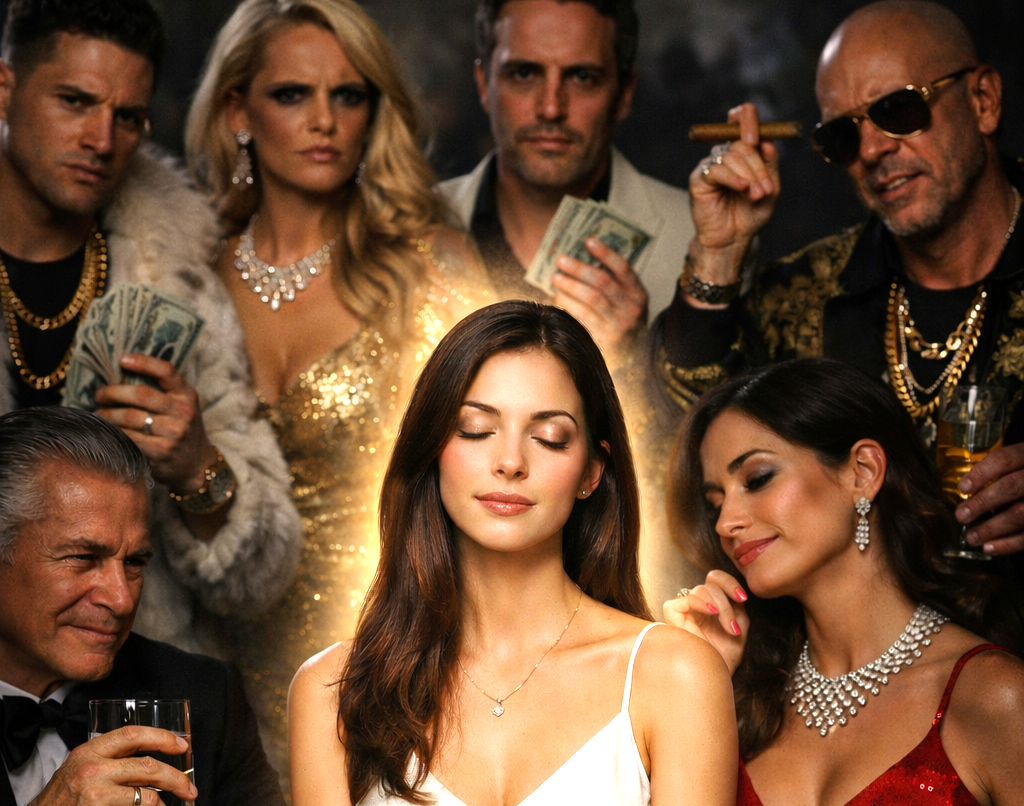
Glitz rules. Celebrities convince influencers that success is marked by Botox, biceps and Birken bags. “Influencers” swoon…and copy.
Above all, be loud—literally. There are play-by-play sports announcers who can go an entire game never lowering their voices to a conversational tone—and often refuse to pause to take a breath.
Now, at this point you could simply write this off as the rant of an old guy who doesn’t understand the modern world. I would agree age is not just a number.
But my numerous years also allow me to remember a time when things were less faux and more real. And trust me on this—real is better.

o, what does this mean for the way you should/could lead your life? As previously described, “authenticity” is not just a secret sauce for politicians. It can work for you. Here’s a few thoughts on how you can find it in the digital world:
Be informed. Have your facts straight. Use them to defeat the loudmouth and the bully.
What you think is far less compelling than what you know. Opinions are easy. Knowledge takes work.
Keep your approach low key. Listen. Don’t interrupt. Let your friends and your accomplishments testify to your value. Your curated depiction of yourself is less convincing.
Don’t condemn or stereotype. No one likes to feel demeaned just because of amy group to which they might belong (profession, gender, race, age, geography, etc.) But people can also take offense individually, as well. To avoid this in disagreements, adopt the classical rhetorical technique of “concession.” In short, this means not beginning a response with something like, “you’re an idiot!” (no matter how much you may know this to be true!) Much better is, “I agree with you when you say xxxxx…but at the same time I have to add xxxxx.” Your offer of agreement lets you build a bridge to potential agreement…which will never happen when your lead is insult or outrage.
Realize the limits of your wonderfulness. Trust that other people simply don’t care that much about where you went, what you wore and what you ate—especially if you’re doing that constantly. Too much of this only promotes FOMO, jealousy, and even a little bitterness. I’m not saying you have to boycott Instagram. Just tone it down. All your family and friends want to know is that you’re happy. So tell them when you are. And even moreso, when you’re not.
Accept that you’re just not going to win them all.

e all swim in a cultural cesspool that dares you to try to stand out—but then pulls you under when you inevitably falter. Some people may believe, “fake it ‘til you make it.” But making it this way can be transitory—or never happen at all. And realize that sometimes “fake” never entirely wears off.
Real comes from what’s inside you…not what surrounds you.
The best way to stand out is not trying to stand out.
As Oscar Wilde observed, “be yourself—everyone else is taken.”
